

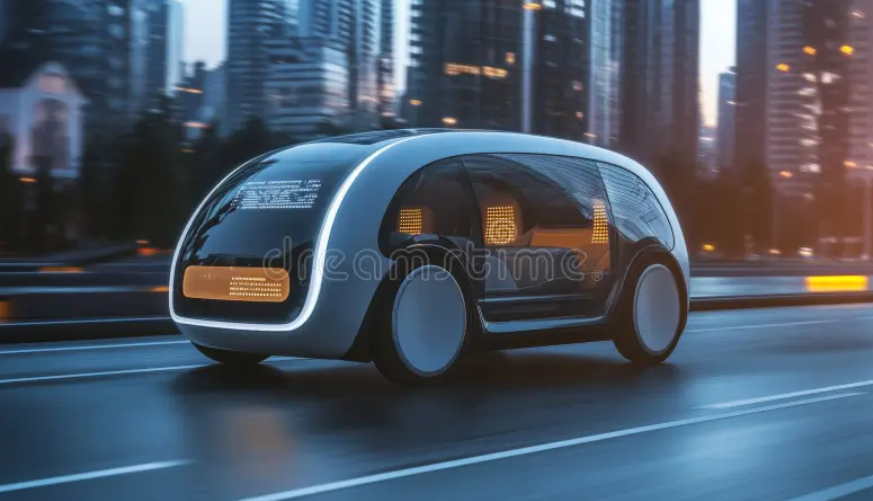
The future of transportation is being shaped by one of the most exciting technological innovations in recent history: autonomous vehicles. Once a concept reserved for science fiction, self-driving cars are now becoming a reality, with the potential to revolutionize how we travel, live, and interact with our environment. In this article, we will dive deep into the world of autonomous vehicles, exploring their development, challenges, and the future they promise to bring.
Introduction to Autonomous Vehicles
Definition of Autonomous Vehicles
Autonomous vehicles, also known as self-driving cars, are vehicles that can operate without human intervention. Using a combination of sensors, cameras, and artificial intelligence (AI), these vehicles can navigate roads, recognize obstacles, and make decisions based on real-time data. The goal is to create vehicles that can perform all driving tasks safely and efficiently, reducing the need for a human driver.
See also: barapkorg
How Autonomous Vehicles Work
At the heart of autonomous vehicle technology is an array of sensors, including cameras, Lidar (Light Detection and Ranging), radar, and ultrasonic sensors. These sensors provide a 360-degree view of the vehicle’s surroundings, allowing it to detect pedestrians, other vehicles, traffic signs, and obstacles. Data from these sensors is processed by advanced AI systems, which make driving decisions in real-time. The vehicle’s navigation system then translates these decisions into actions, such as steering, accelerating, and braking. As autonomous technology continues to reshape logistics and transportation, businesses and individuals can also benefit from modern solutions for Auto Transportieren, making vehicle shipping more efficient, secure, and convenient.
The Evolution of Autonomous Vehicle Technology
Early Developments in Self-Driving Cars
The concept of autonomous vehicles dates back to the 1920s when early inventors began to dream of cars that could drive themselves. However, it wasn’t until the 1980s and 1990s that the first real efforts toward developing autonomous vehicles began. Pioneering work by institutions like Carnegie Mellon University and the Defense Advanced Research Projects Agency (DARPA) laid the foundation for the technologies we use today.
Milestones in Autonomous Vehicle Progress
In 2009, Google (now Waymo) made a breakthrough by creating the first fully autonomous car, which traveled on public roads without human intervention. Since then, numerous automakers and tech companies have joined the race, with major advancements in sensor technology, machine learning, and AI. In recent years, autonomous vehicles have started undergoing extensive testing, with some vehicles already offering limited autonomous features, such as lane-keeping assistance and automatic braking.
Types of Autonomous Vehicles
Levels of Automation
Autonomous vehicles are categorized based on their level of automation, as defined by the Society of Automotive Engineers (SAE). There are six levels of automation, ranging from Level 0 (no automation) to Level 5 (full autonomy). A Level 5 vehicle requires no human intervention and can operate in all driving conditions without any human oversight.
Different Categories of Autonomous Vehicles
While self-driving cars get the most attention, autonomous vehicles can also include trucks, buses, and even ships. Each type has its own challenges and use cases. For example, autonomous trucks are being developed for long-haul freight, while autonomous buses could provide efficient public transportation in urban areas.
Key Technologies Behind Autonomous Vehicles
Lidar and Radar Technology
Lidar and radar are essential technologies for autonomous vehicles. Lidar uses laser beams to create a detailed 3D map of the vehicle’s surroundings, which helps in detecting obstacles. Radar, on the other hand, uses radio waves to detect the speed and distance of objects, especially in low-visibility conditions like fog or heavy rain.
Computer Vision and Machine Learning
Computer vision allows autonomous vehicles to “see” the world in the same way humans do, using cameras to interpret images of the environment. Machine learning algorithms analyze these images and help the vehicle make decisions based on patterns and previous experiences. This enables the vehicle to recognize objects, pedestrians, and road signs.
Sensor Fusion in Autonomous Vehicles
Sensor fusion is the process of combining data from various sensors (Lidar, radar, cameras) to create a comprehensive understanding of the vehicle’s surroundings. This multi-sensor approach improves the accuracy and reliability of the vehicle’s decision-making process.
Benefits of Autonomous Vehicles
Safety Improvements
One of the primary advantages of autonomous vehicles is their potential to reduce accidents caused by human error. Studies have shown that the majority of road accidents are the result of driver mistakes, such as distractions, fatigue, and impaired driving. By removing the human factor, autonomous vehicles have the potential to make roads safer and save lives.
Environmental Impact Reduction
Autonomous vehicles can also contribute to a reduction in greenhouse gas emissions. With advanced algorithms, self-driving cars can optimize routes, minimize fuel consumption, and reduce traffic congestion. In the long term, the widespread adoption of electric autonomous vehicles could significantly decrease the carbon footprint of transportation.
Traffic and Congestion Management
Autonomous vehicles can communicate with each other, allowing for more coordinated and efficient driving. This can lead to smoother traffic flow, reduced congestion, and faster travel times. Self-driving cars can also optimize their speeds and braking patterns, reducing traffic jams and bottlenecks.
Challenges Facing Autonomous Vehicles
Ethical and Legal Concerns
The ethical implications of autonomous vehicles are a major area of debate. For example, how should an autonomous vehicle react in a situation where an accident is unavoidable? Should it prioritize the safety of the passengers or pedestrians? These moral dilemmas raise significant questions about the decision-making abilities of AI in critical situations.
Technological Limitations
While autonomous vehicles have made significant progress, there are still challenges in ensuring they can handle all driving conditions. Weather, road quality, and complex traffic situations can pose difficulties for self-driving systems, and ongoing research is required to improve their reliability.
Public Acceptance and Trust Issues
For autonomous vehicles to become mainstream, the public needs to trust them. Concerns over safety, privacy, and the technology’s ability to handle real-world scenarios are some of the barriers that need to be addressed before widespread adoption can occur.
Regulatory Landscape of Autonomous Vehicles
Government Regulations and Standards
Governments around the world are working to create regulations for autonomous vehicles, ensuring they meet safety standards before being allowed on public roads. The U.S. National Highway Traffic Safety Administration (NHTSA) and other regulatory bodies are developing guidelines for autonomous vehicle testing and deployment.
Global Differences in Autonomous Vehicle Legislation
While some countries, like the United States and Germany, have made significant strides in developing laws for autonomous vehicles, others are still in the early stages. These differences in regulations may affect the global adoption and development of autonomous vehicles, with some regions moving faster than others.
The Role of Artificial Intelligence in Autonomous Vehicles
AI’s Contribution to Navigation and Decision Making
AI plays a crucial role in the navigation and decision-making processes of autonomous vehicles. Using machine learning algorithms, AI systems analyze data from sensors and cameras to make real-time driving decisions, such as when to accelerate, brake, or turn.
AI and Human Interaction in Autonomous Vehicles
In some autonomous vehicles, human drivers may still be required to take control in certain situations. AI technology is being developed to understand human behavior and allow seamless interaction between the human and machine, improving the user experience and safety.
Autonomous Vehicles and the Future of Transportation
Integration into Existing Transportation Systems
As autonomous vehicles become more advanced, they will integrate into existing transportation systems, creating new possibilities for public and private transport. Autonomous cars could complement public transit, offer ride-sharing services, and provide flexible transportation solutions for those in need.
Changing the Role of Human Drivers
As self-driving cars become more common, the role of human drivers will change. While some may embrace the idea of giving up the wheel, others may be resistant to this shift. The transition to fully autonomous vehicles will require cultural and behavioral changes in society.
Conclusion: The Road Ahead for Autonomous Vehicles
The future of autonomous vehicles is bright, filled with potential to change how we move and live. With advancements in technology, regulations, and societal acceptance, self-driving cars are poised to transform the landscape of transportation. However, challenges such as safety concerns, ethical issues, and public trust remain obstacles that need to be addressed. Nonetheless, as technology continues to evolve, autonomous vehicles will likely play a significant role in shaping the future of mobility.
Frequently Asked Questions (FAQ)
- What are autonomous vehicles?
Autonomous vehicles are self-driving cars that operate without human intervention. They use sensors, cameras, and AI to navigate and make decisions on the road. - How safe are autonomous vehicles?
Autonomous vehicles are designed to reduce human error, which is the leading cause of accidents. However, the technology is still evolving, and further testing is needed to ensure their safety. - When will autonomous vehicles be available?
While autonomous vehicles are already being tested on public roads, widespread adoption may take a few more years as technology improves and regulatory frameworks are established. - Will autonomous vehicles reduce traffic congestion?
Yes, autonomous vehicles have the potential to reduce traffic congestion by optimizing driving patterns, improving traffic flow, and reducing accidents. - How do autonomous vehicles make decisions?
Autonomous vehicles use AI and machine learning algorithms to process data from various sensors and cameras, allowing them to make decisions such as when to stop, turn, or avoid obstacles. - What are the ethical issues surrounding autonomous vehicles?
Ethical issues include how autonomous vehicles should behave in unavoidable accident scenarios, such as whether they should prioritize the safety of passengers or pedestrians.




 Cloud Computing: The Backbone of Modern Enterprises